Melissa's Jerk Chicken Legs
Jerk Chicken – A Jamaican Legacy with Melissa Thompson
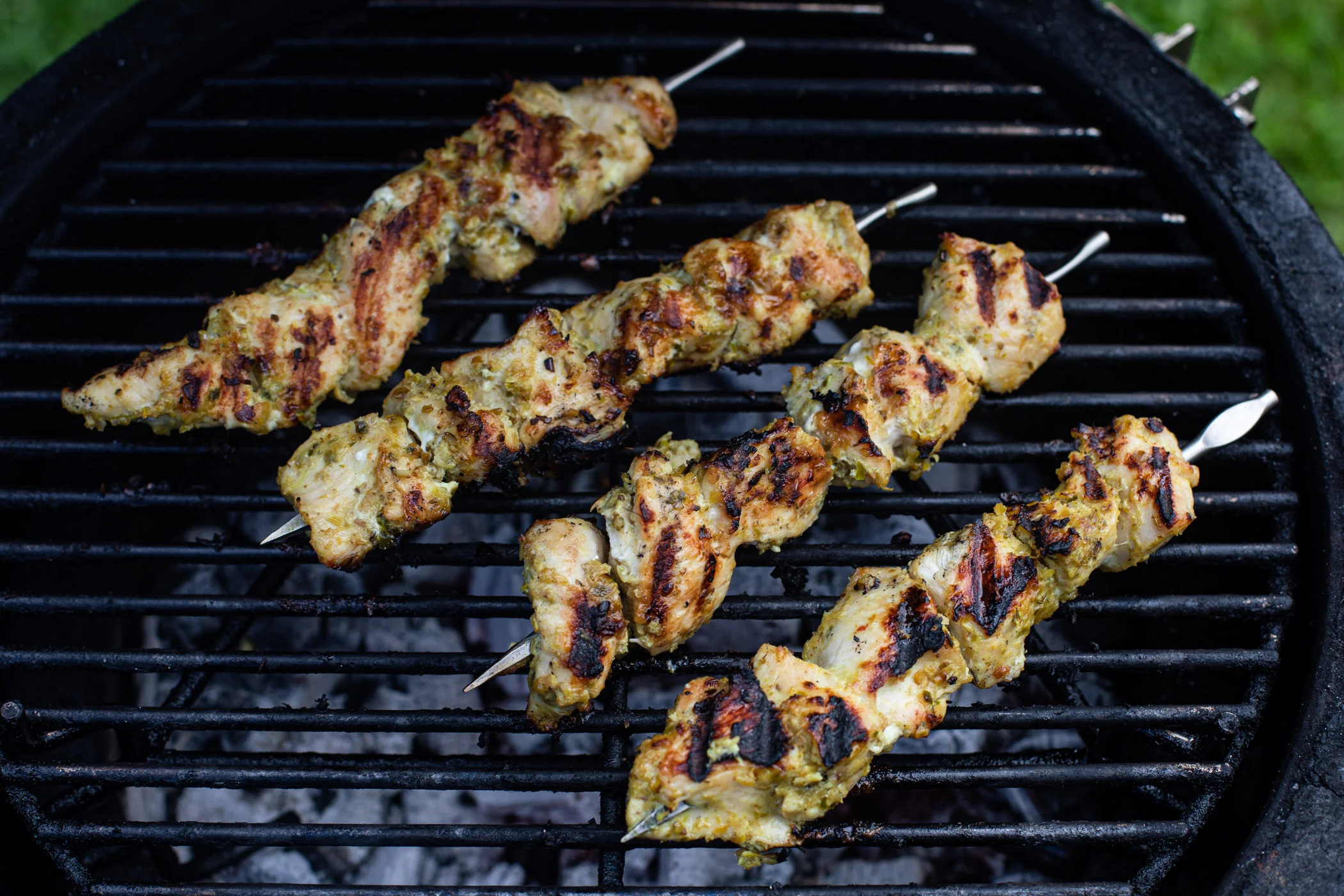
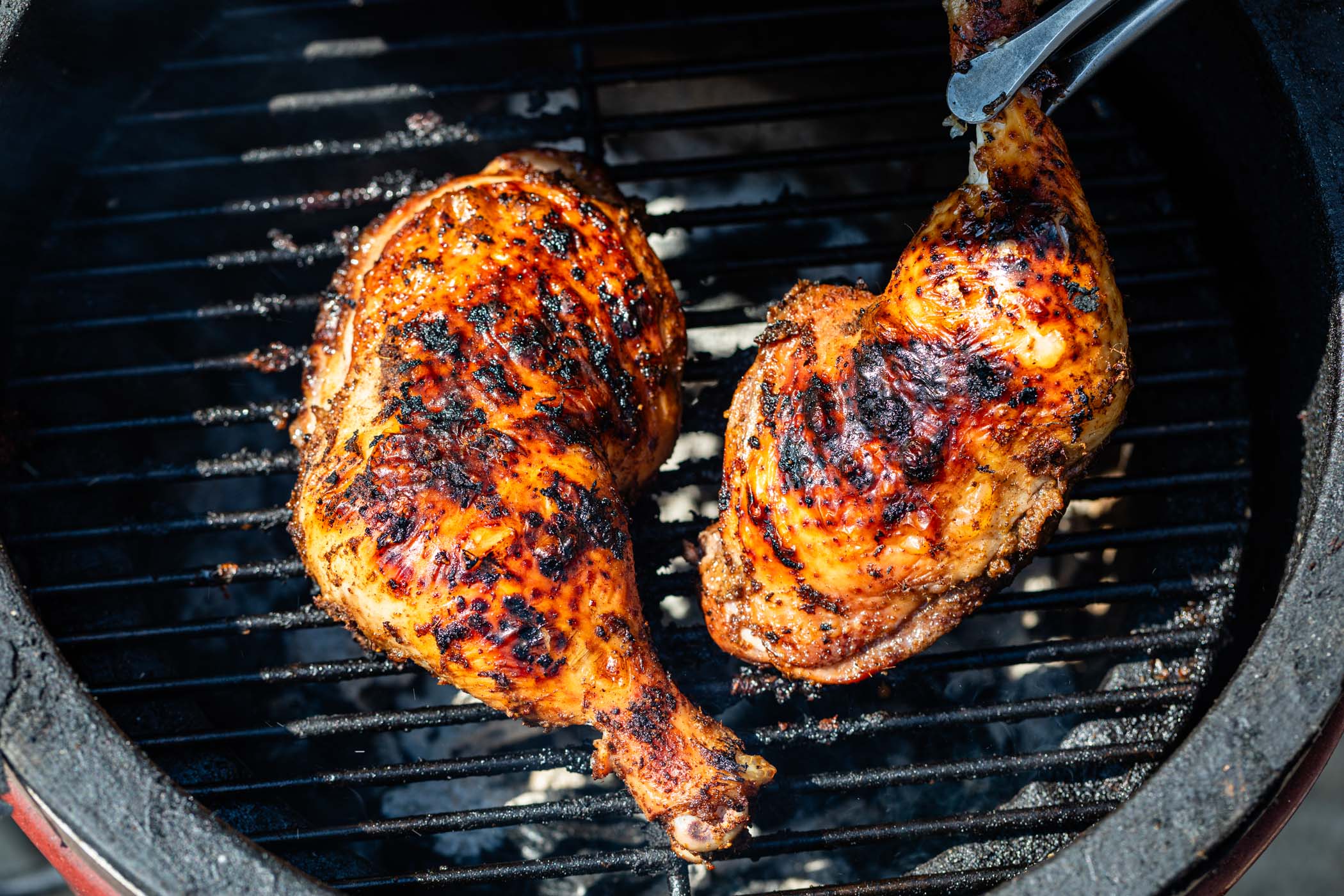
We’ve partnered with food writer Melissa Thompson, author of Motherland: A Jamaican Cookbook, to create Jerk Chicken marinated for 24 hours in pimento (allspice), thyme, Scotch bonnet chillies, garlic, ginger, and black pepper. The meat arrives ready to cook on the barbecue, though it can also be roasted in the oven.
Jerk, as a term, describes the preparation, marination, and smoking of meat, but its meaning runs much deeper. It is central to Jamaican cultural identity, telling the story of the island’s history and the determined resistance of its people against slavery, a true legacy dish.
Maroons, African people who escaped enslavement and formed resistance communities in the mountains, survived through farming and hunting. Together with the remaining indigenous Taíno people, they developed a method of cooking underground with minimal smoke to avoid detection by the British. They used foraged ingredients to season, preserve, and flavour the meat.
The result is a dish of balanced flavours, gentle heat, and deep complexity. The marinade penetrates to the bone, and smoking intensifies the taste, delivering a full hit to the senses.
Traditionally in Jamaica, jerk is cooked slowly over pimento wood, smoking and steaming under a cover of more wood or zinc. In place of pimento wood, Melissa lays bay leaves and thin bay branches on the grill, away from direct heat, with the meat placed on top. She soaks pimento berries in water and adds them to the coals before closing the lid. The combination of bay and pimento gives a flavour reminiscent of traditional pimento-wood cooking.
Product Information
Product Information
Shipping & Returns
Shipping & Returns
Description
Jerk Chicken – A Jamaican Legacy with Melissa Thompson
We’ve partnered with food writer Melissa Thompson, author of Motherland: A Jamaican Cookbook, to create Jerk Chicken marinated for 24 hours in pimento (allspice), thyme, Scotch bonnet chillies, garlic, ginger, and black pepper. The meat arrives ready to cook on the barbecue, though it can also be roasted in the oven.
Jerk, as a term, describes the preparation, marination, and smoking of meat, but its meaning runs much deeper. It is central to Jamaican cultural identity, telling the story of the island’s history and the determined resistance of its people against slavery, a true legacy dish.
Maroons, African people who escaped enslavement and formed resistance communities in the mountains, survived through farming and hunting. Together with the remaining indigenous Taíno people, they developed a method of cooking underground with minimal smoke to avoid detection by the British. They used foraged ingredients to season, preserve, and flavour the meat.
The result is a dish of balanced flavours, gentle heat, and deep complexity. The marinade penetrates to the bone, and smoking intensifies the taste, delivering a full hit to the senses.
Traditionally in Jamaica, jerk is cooked slowly over pimento wood, smoking and steaming under a cover of more wood or zinc. In place of pimento wood, Melissa lays bay leaves and thin bay branches on the grill, away from direct heat, with the meat placed on top. She soaks pimento berries in water and adds them to the coals before closing the lid. The combination of bay and pimento gives a flavour reminiscent of traditional pimento-wood cooking.