Chuck Eye Roll
The Butcher’s Hidden Gem: A Marbled Alternative to Ribeye
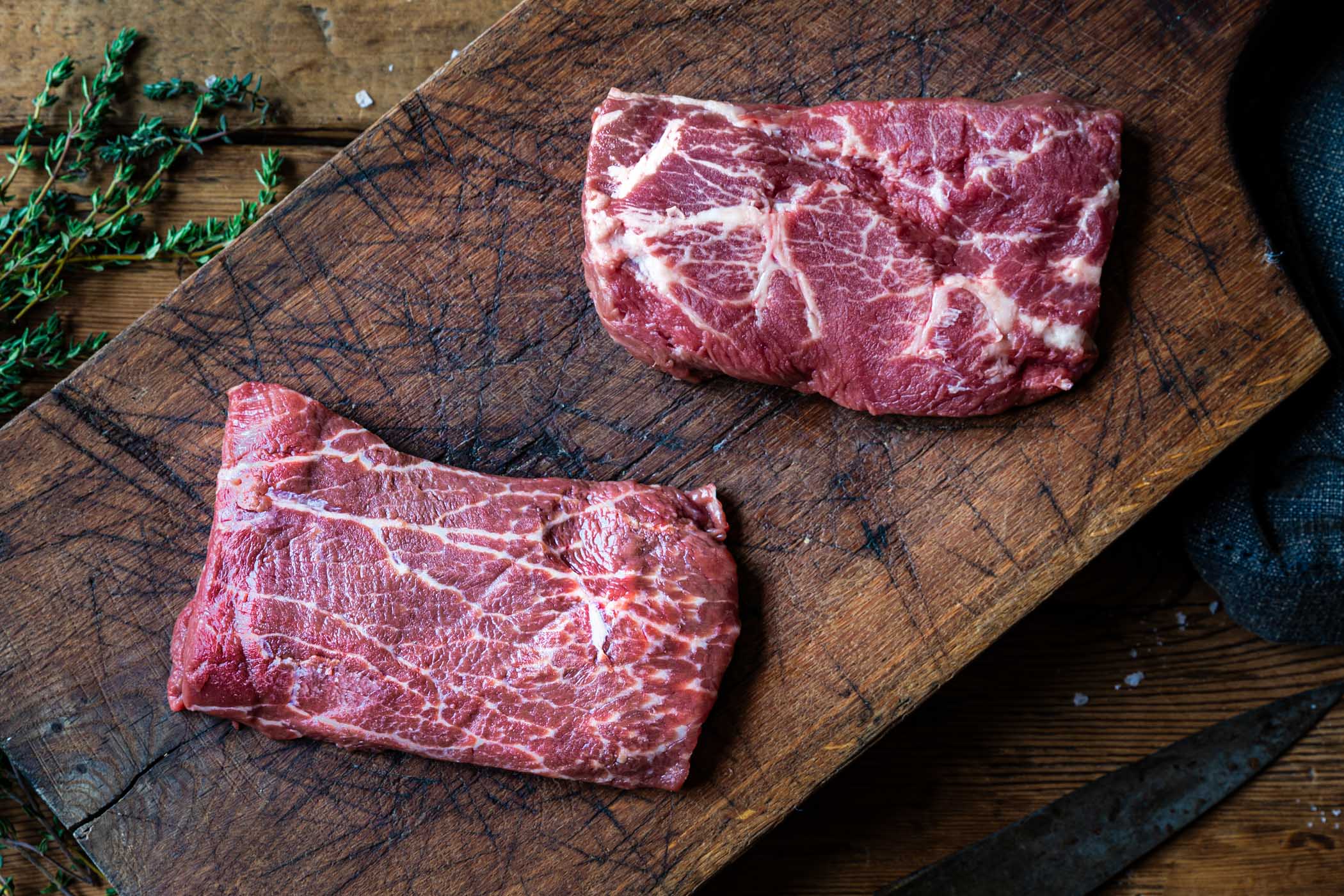
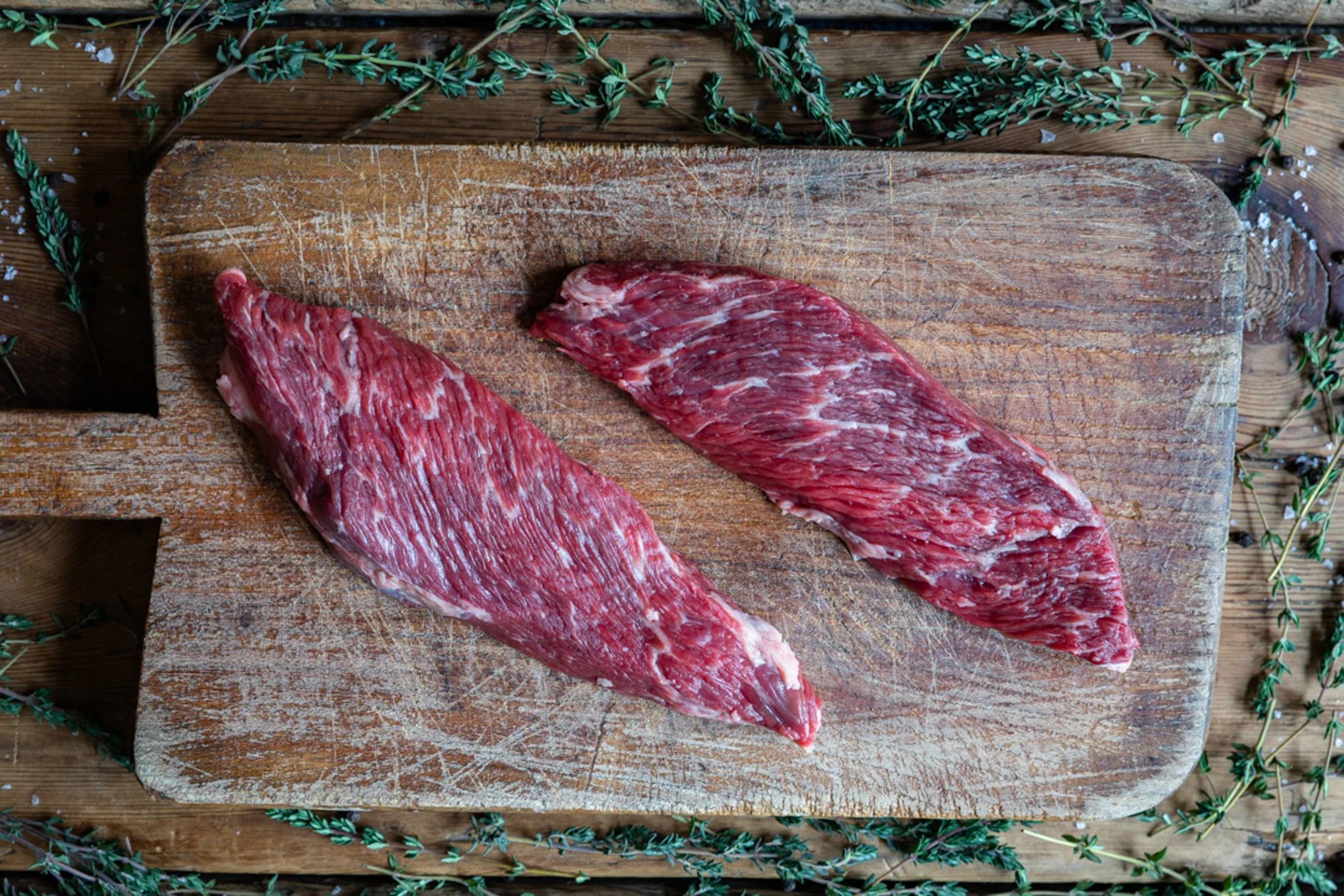
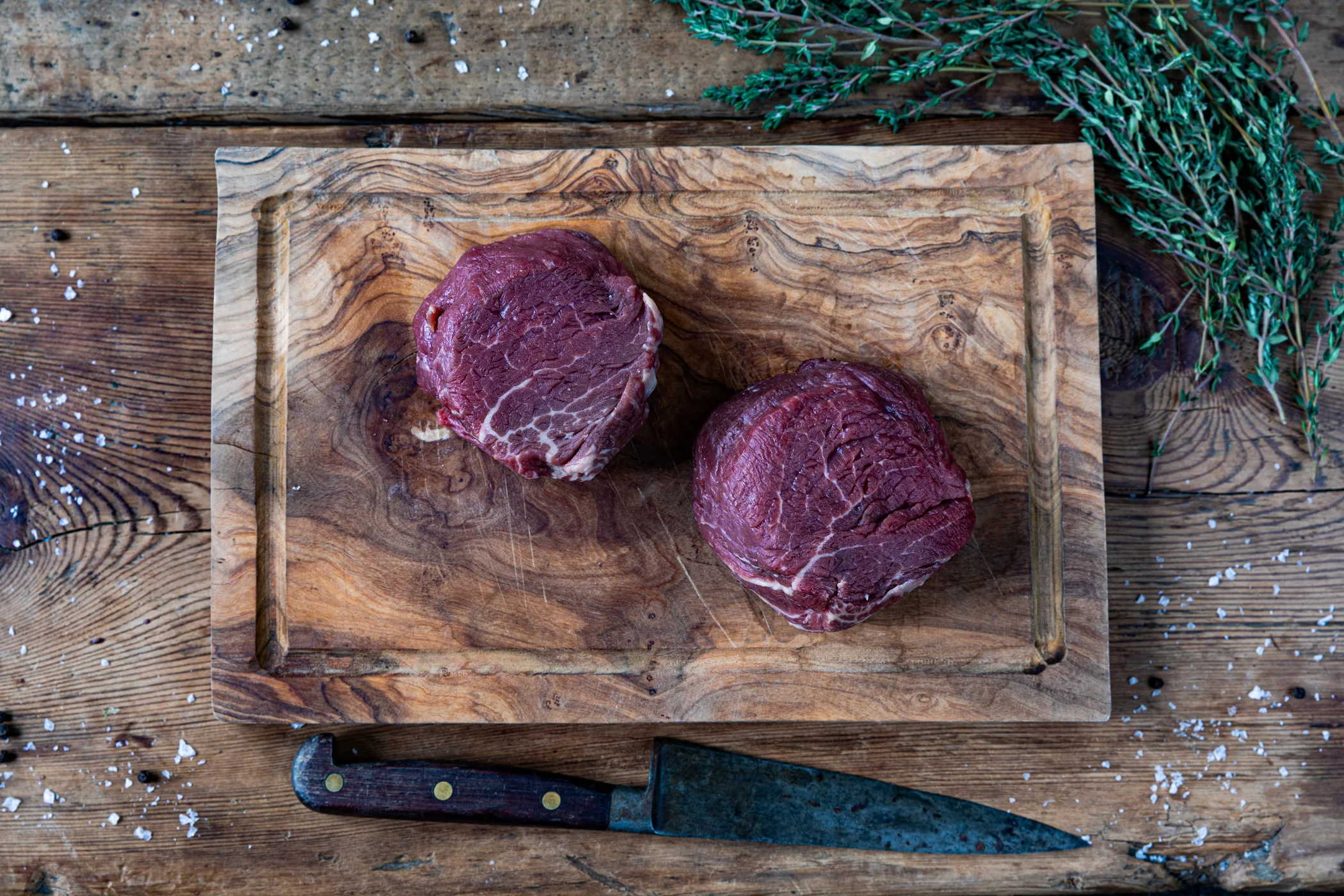
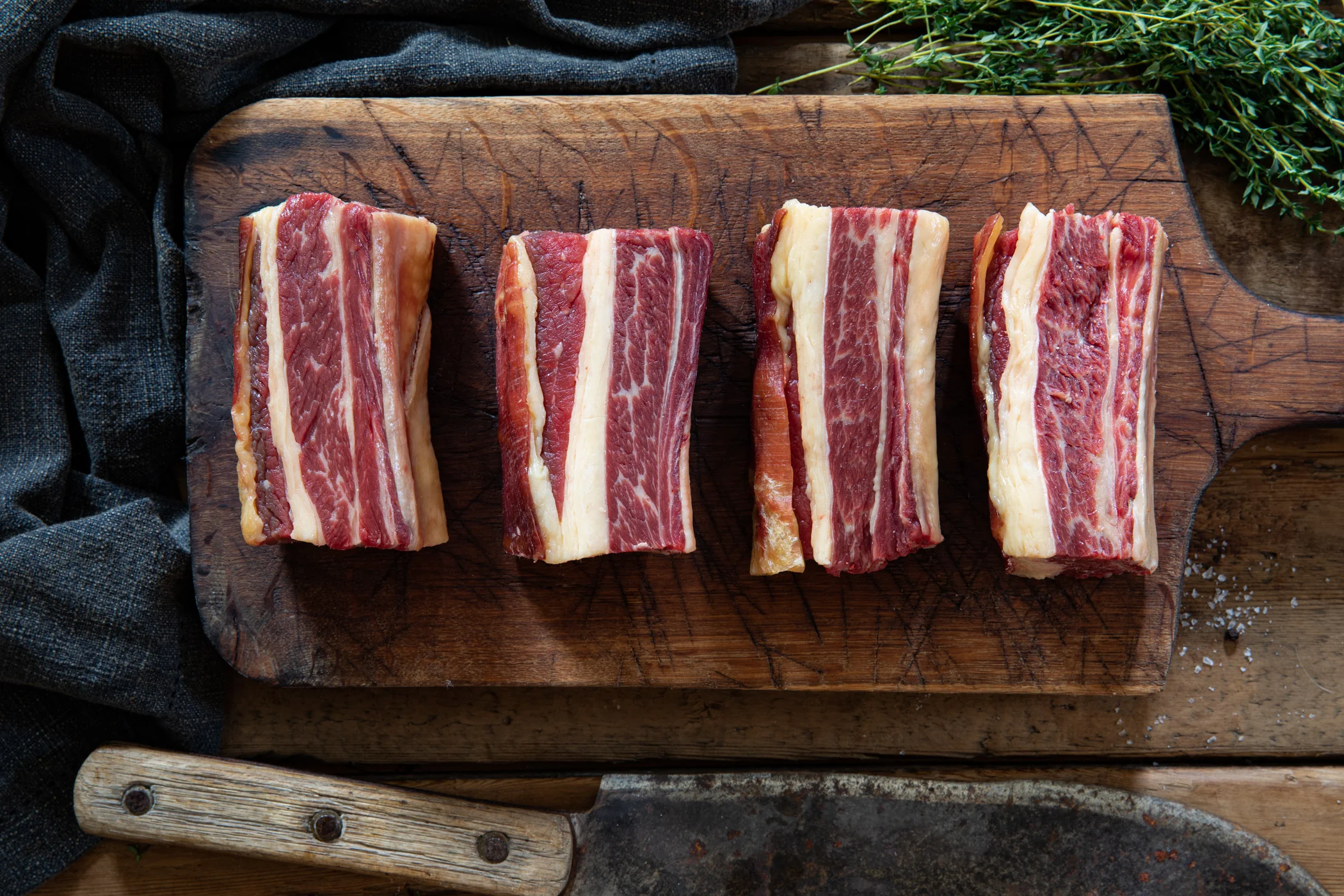
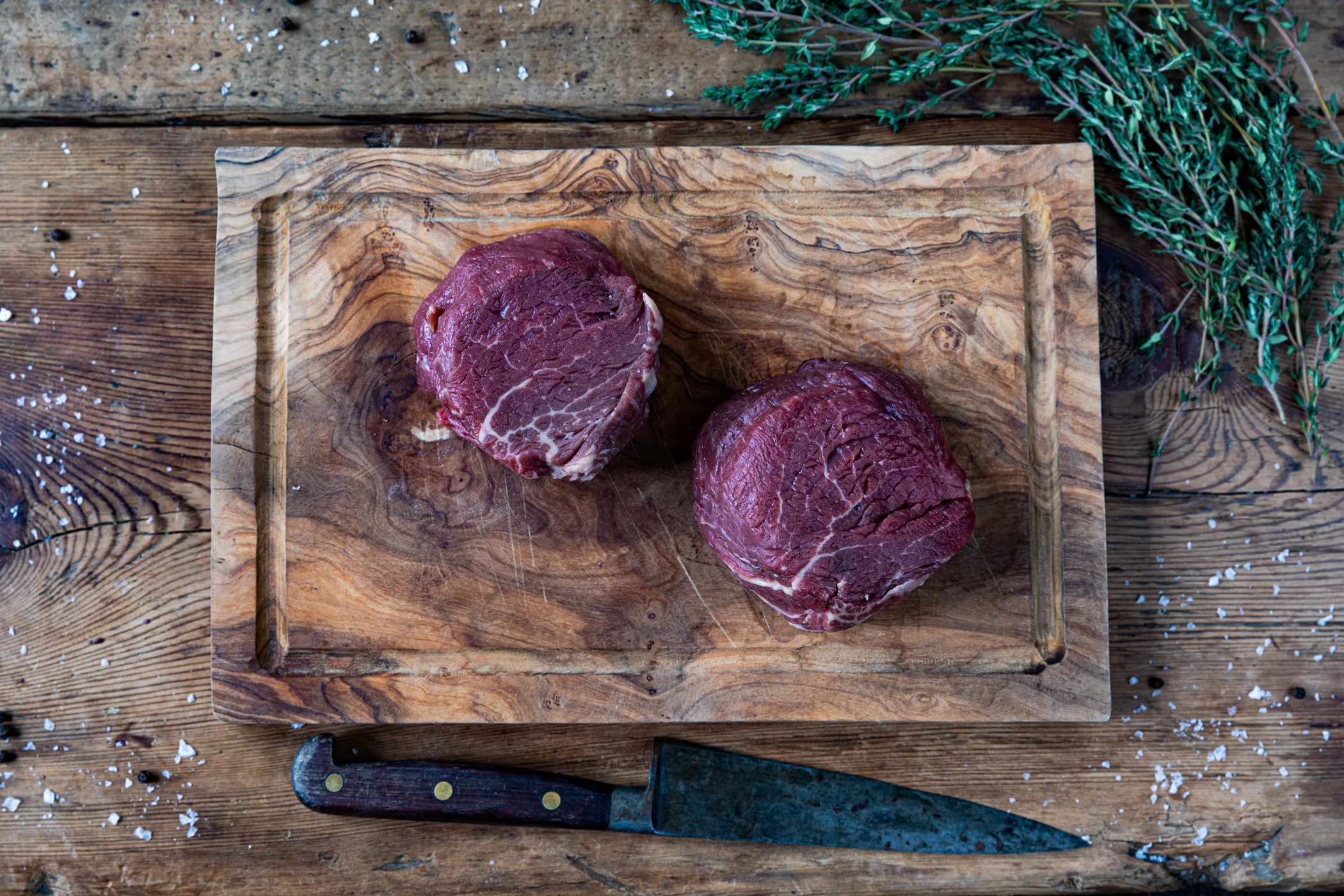
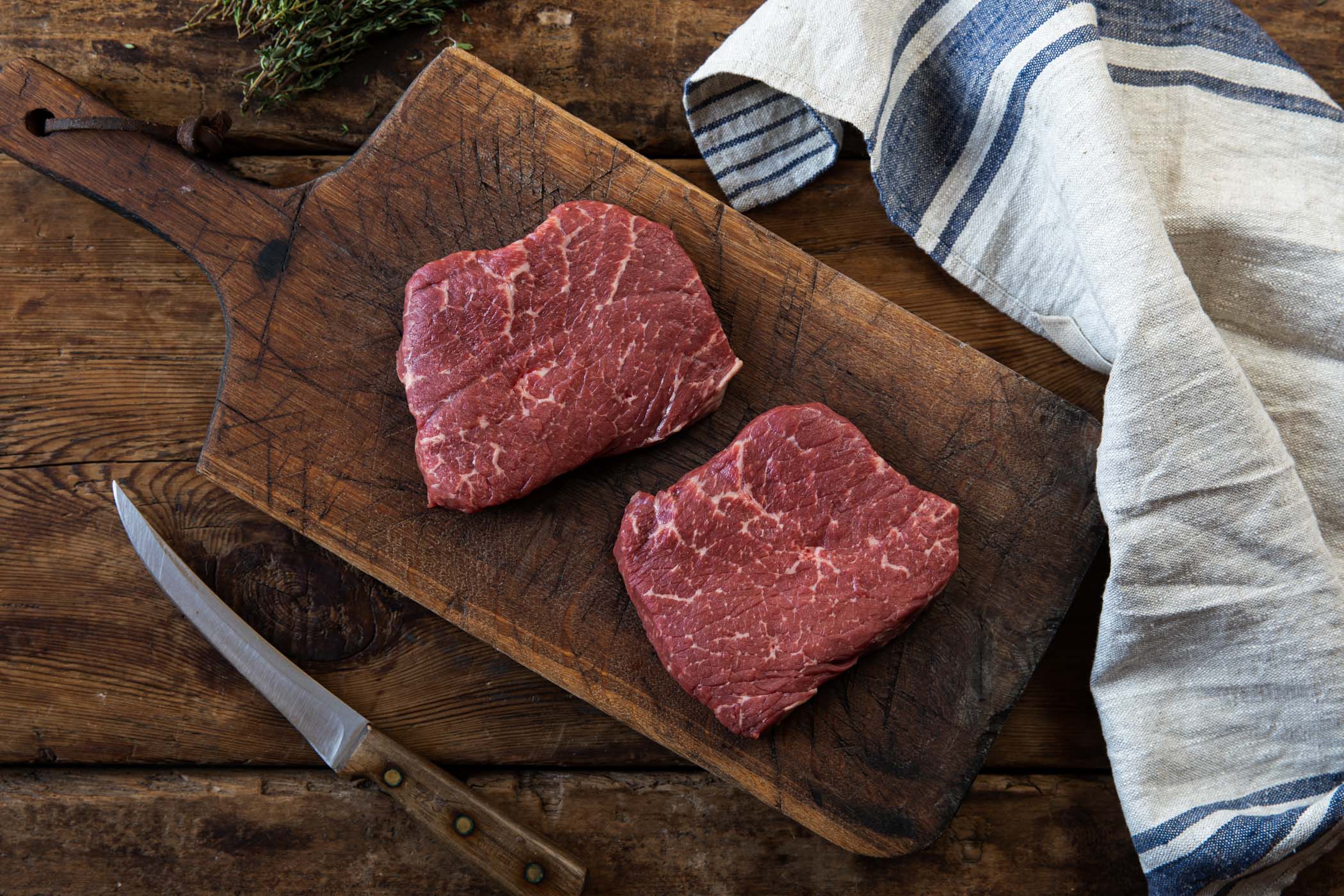
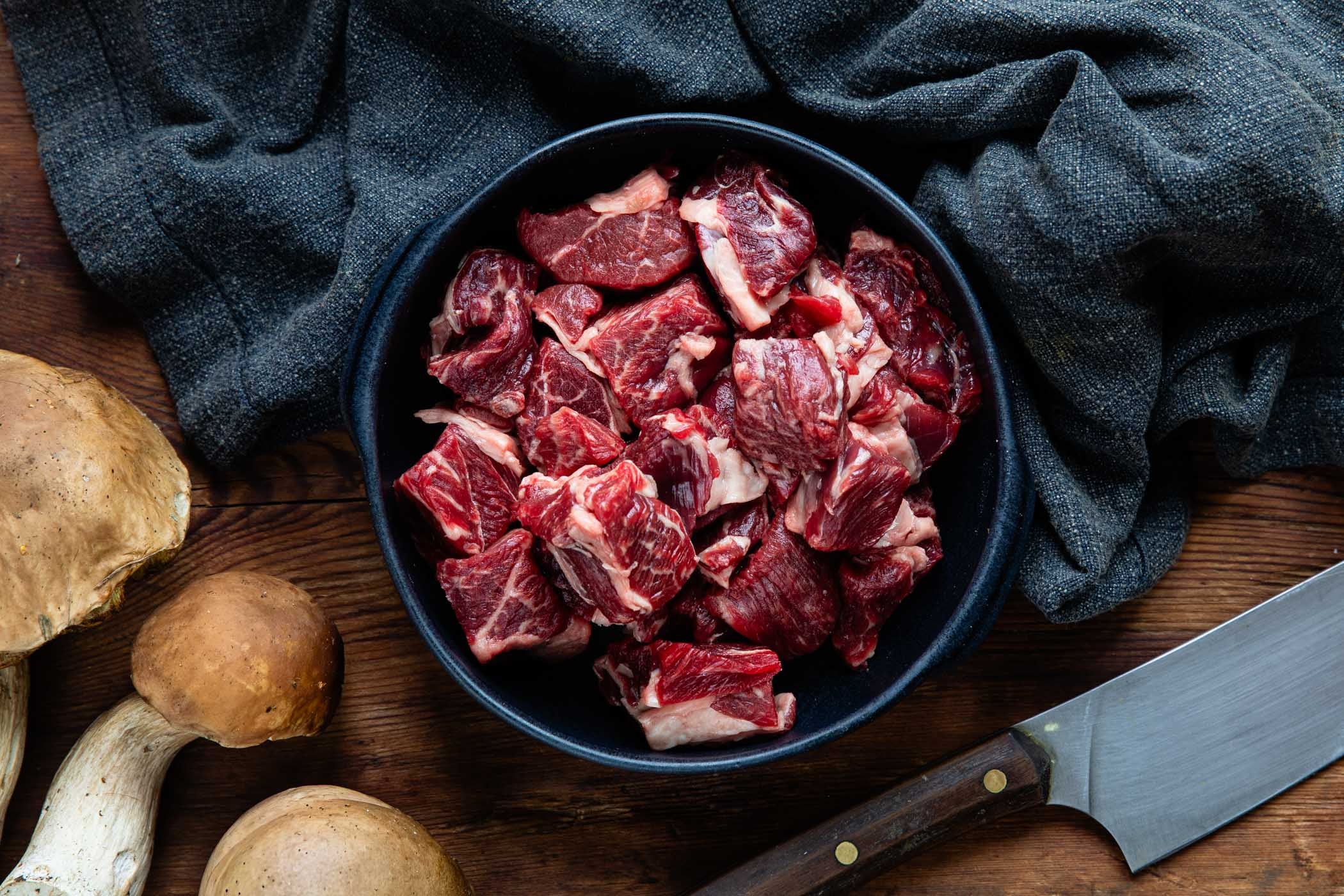
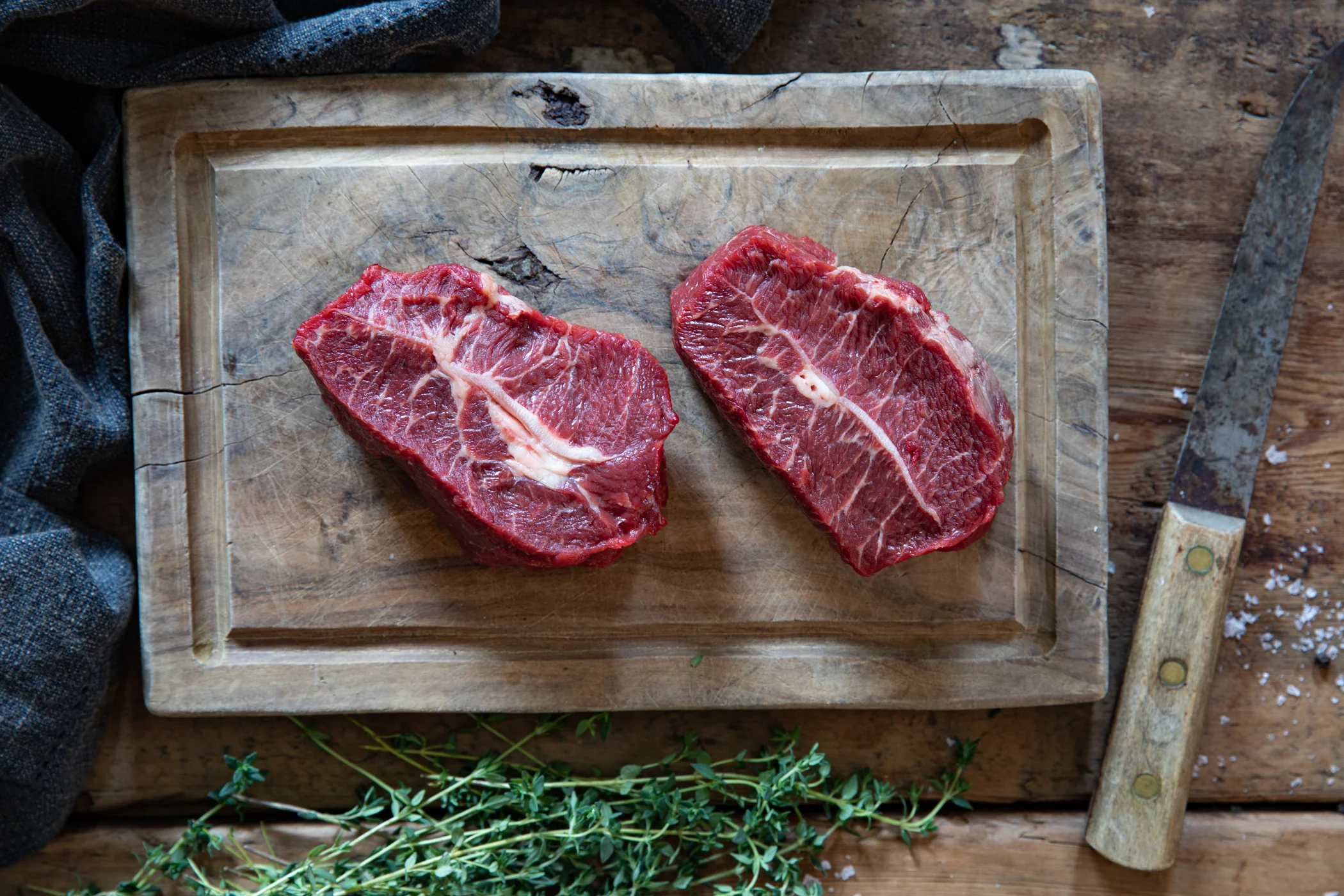
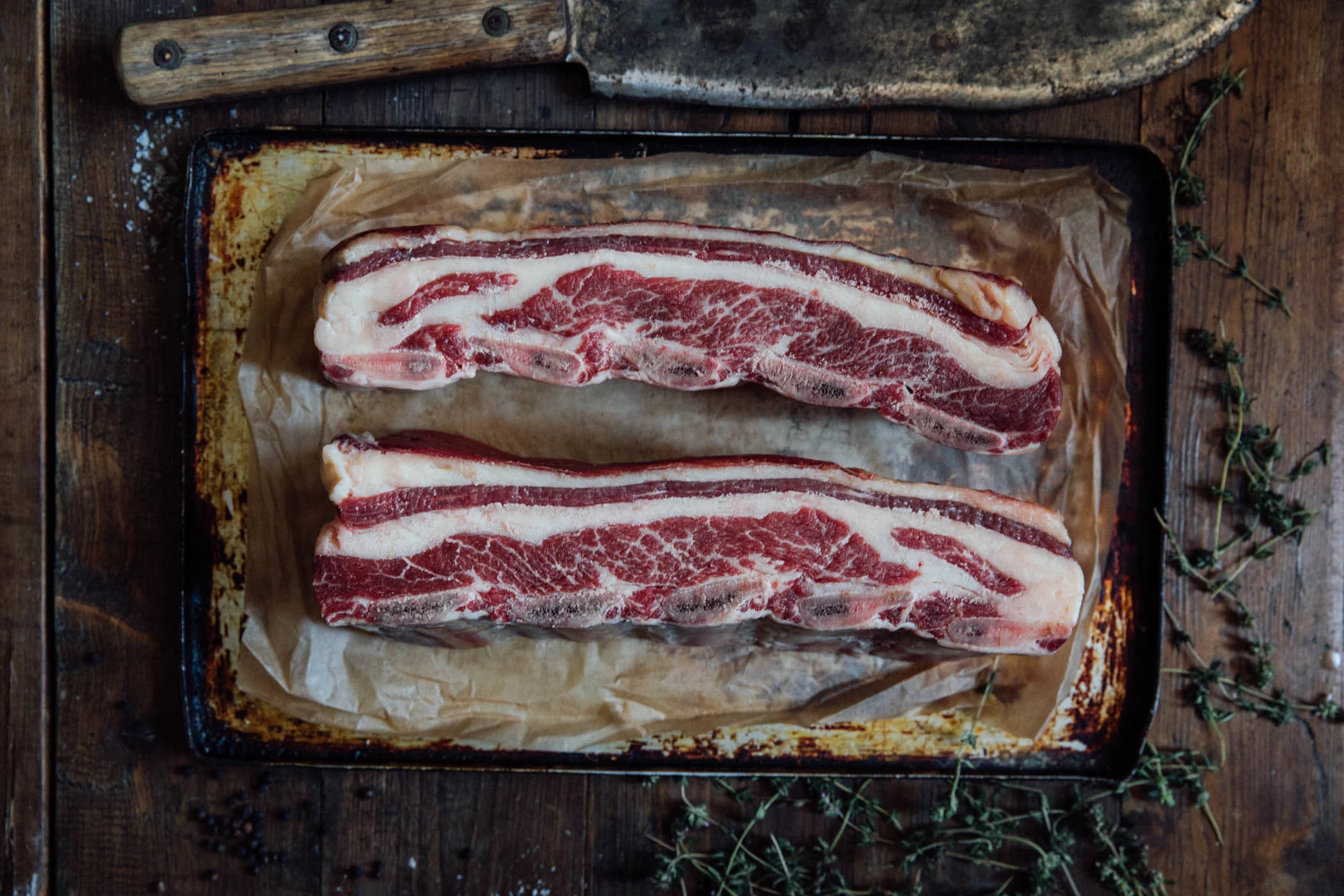
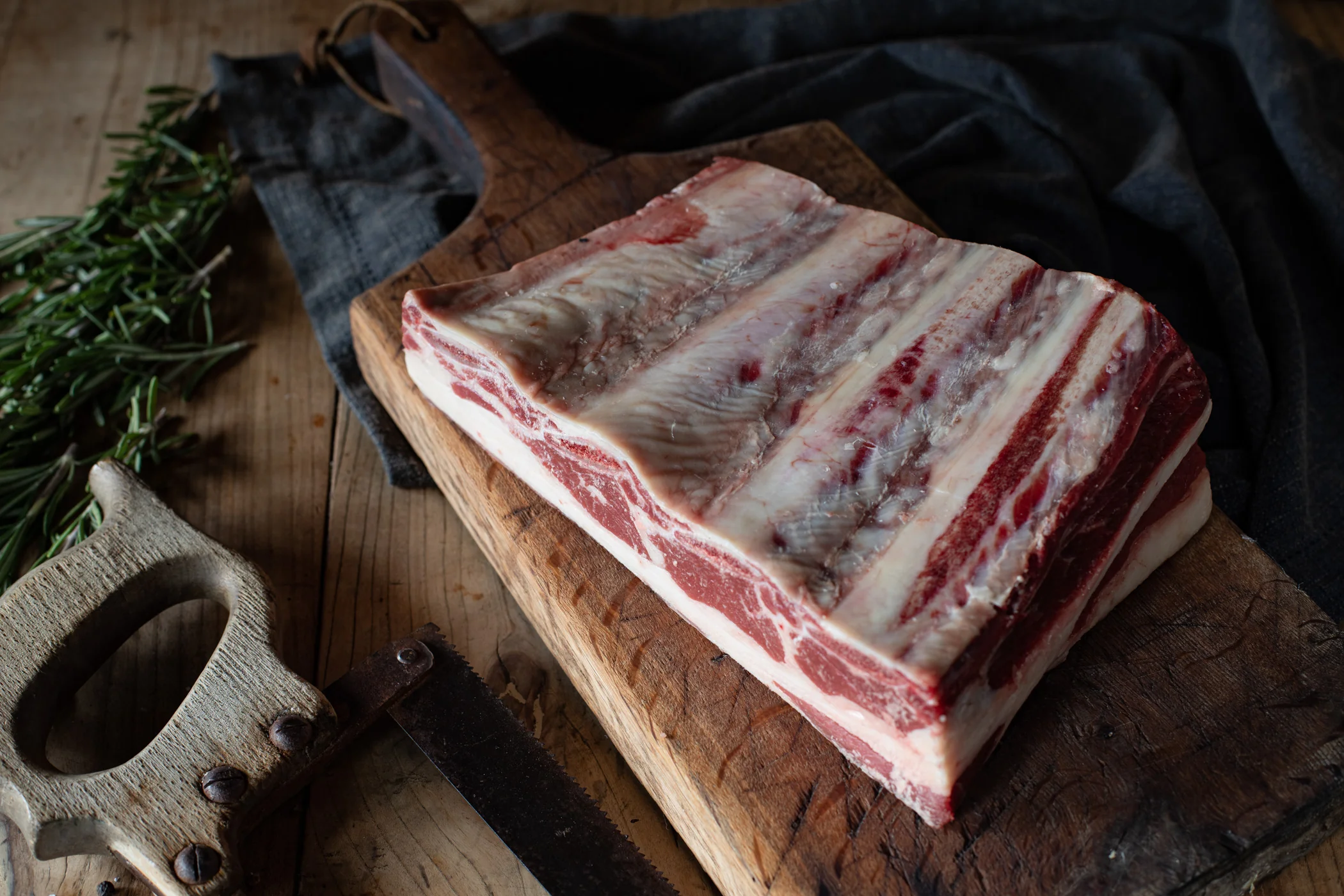
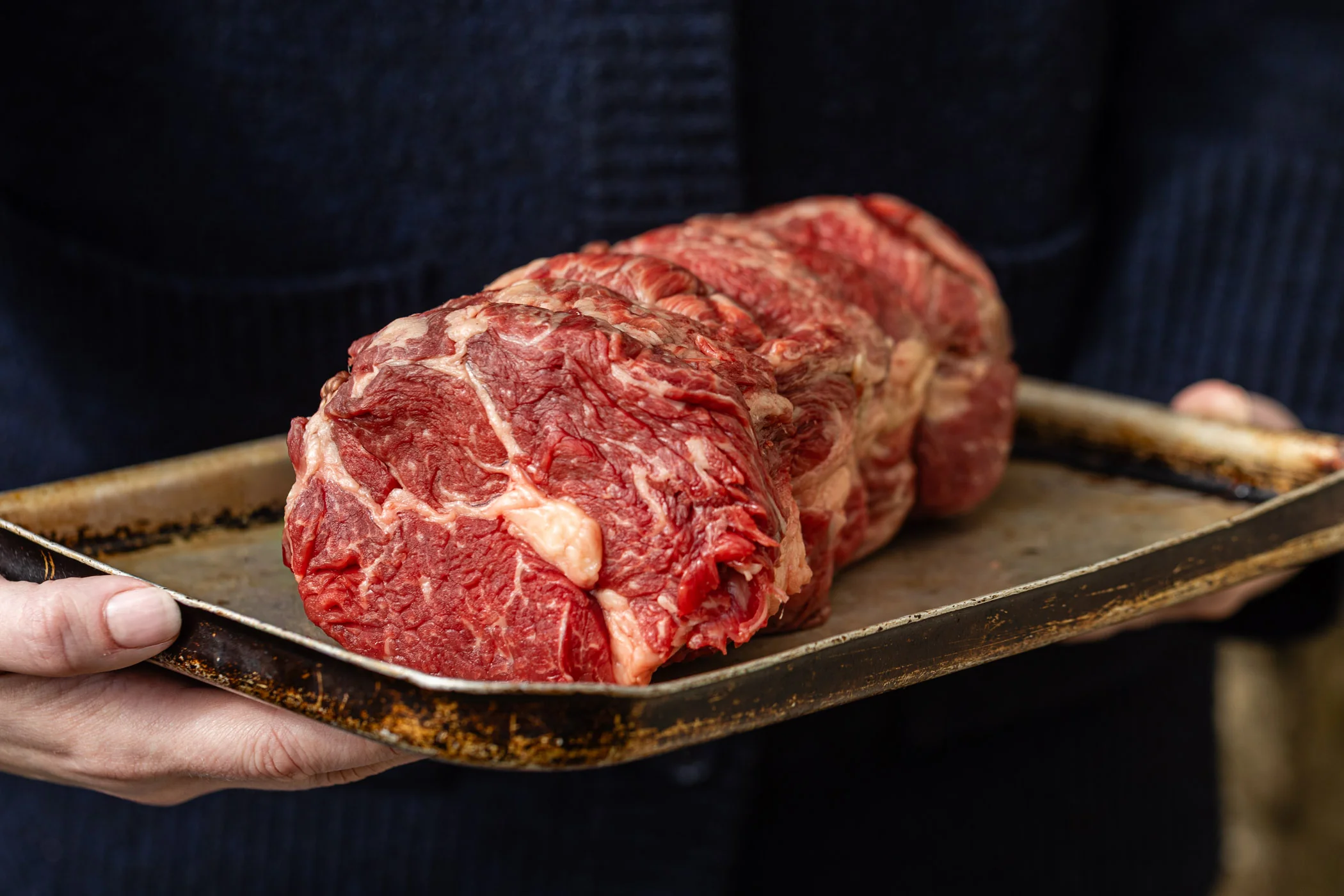
Cut from the forequarter of the beast, the chuck eye roll is the muscle that follows on from the forerib and tracks into the neck. Similar in character to a pork collar or neck fillet, it is an open-textured cut with abundant natural marbling and intermuscular fat. In the case of our native breed cattle, this internal structure ensures the meat remains unctuous and yields a deep, beefy flavour.
In the grand tradition of 19th-century steakhouses, this prized cut was often served as the celebrated Delmonico steak, chosen for its superior marbling and steak-like character despite its forequarter origin. Sometimes nicknamed the ‘Chuck Norris steak’, it is admired by butchers and chefs alike for its bold flavour and satisfying texture.
Cooking Chuck Eye Roll
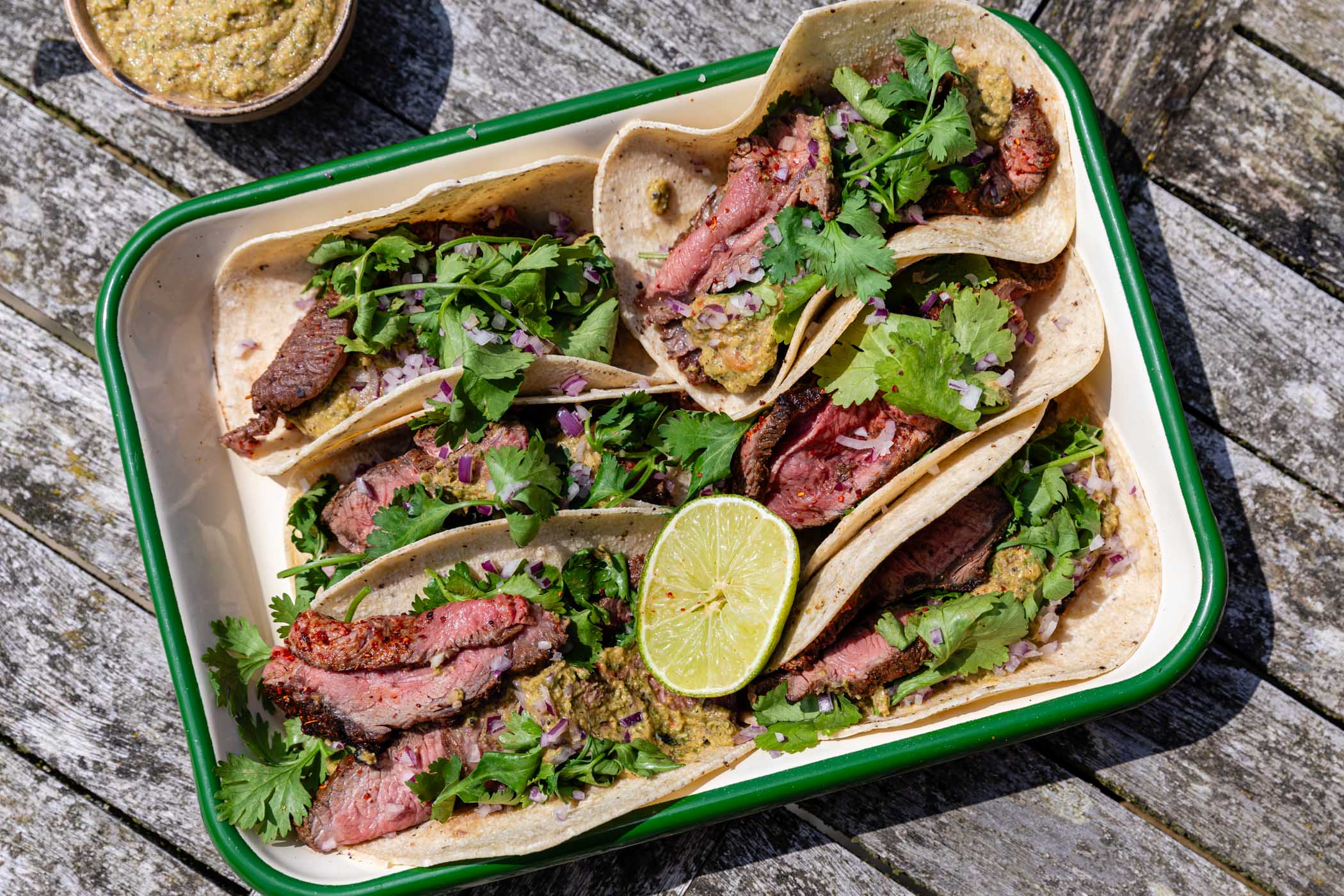
Whilst chuck eye roll is often associated with longer, slower cooking, it can also be cut into thick steaks and cooked quickly over high heat.
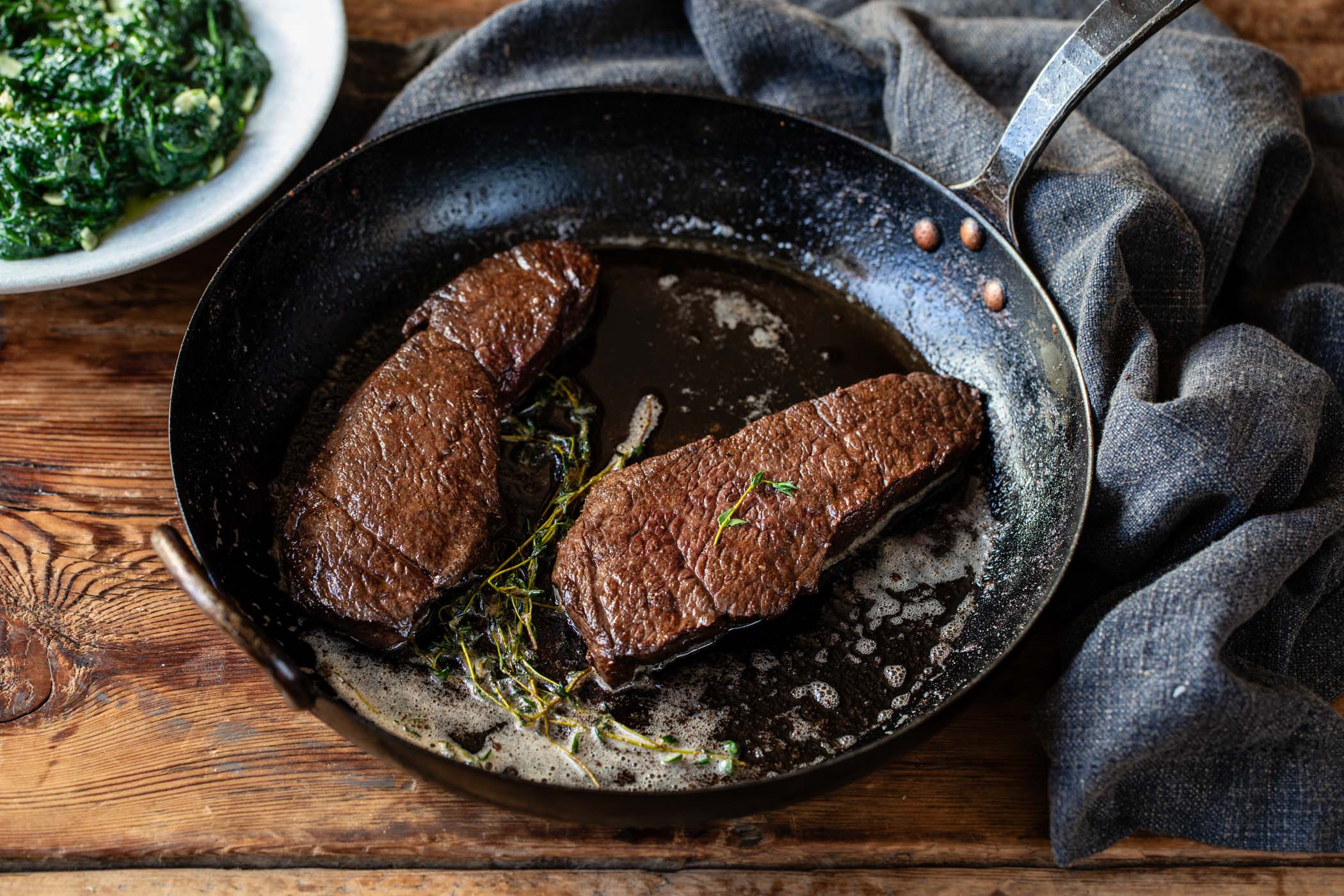
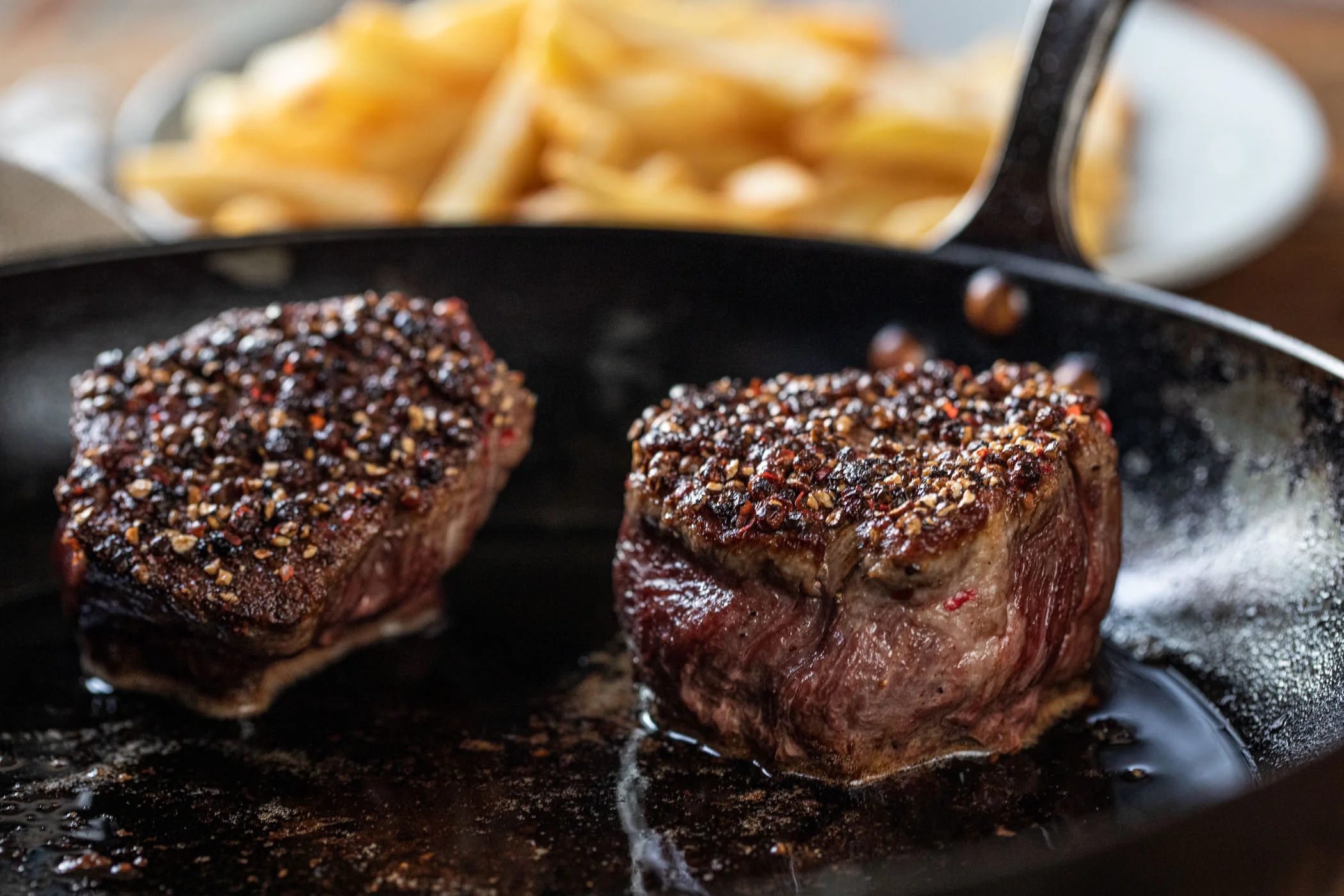
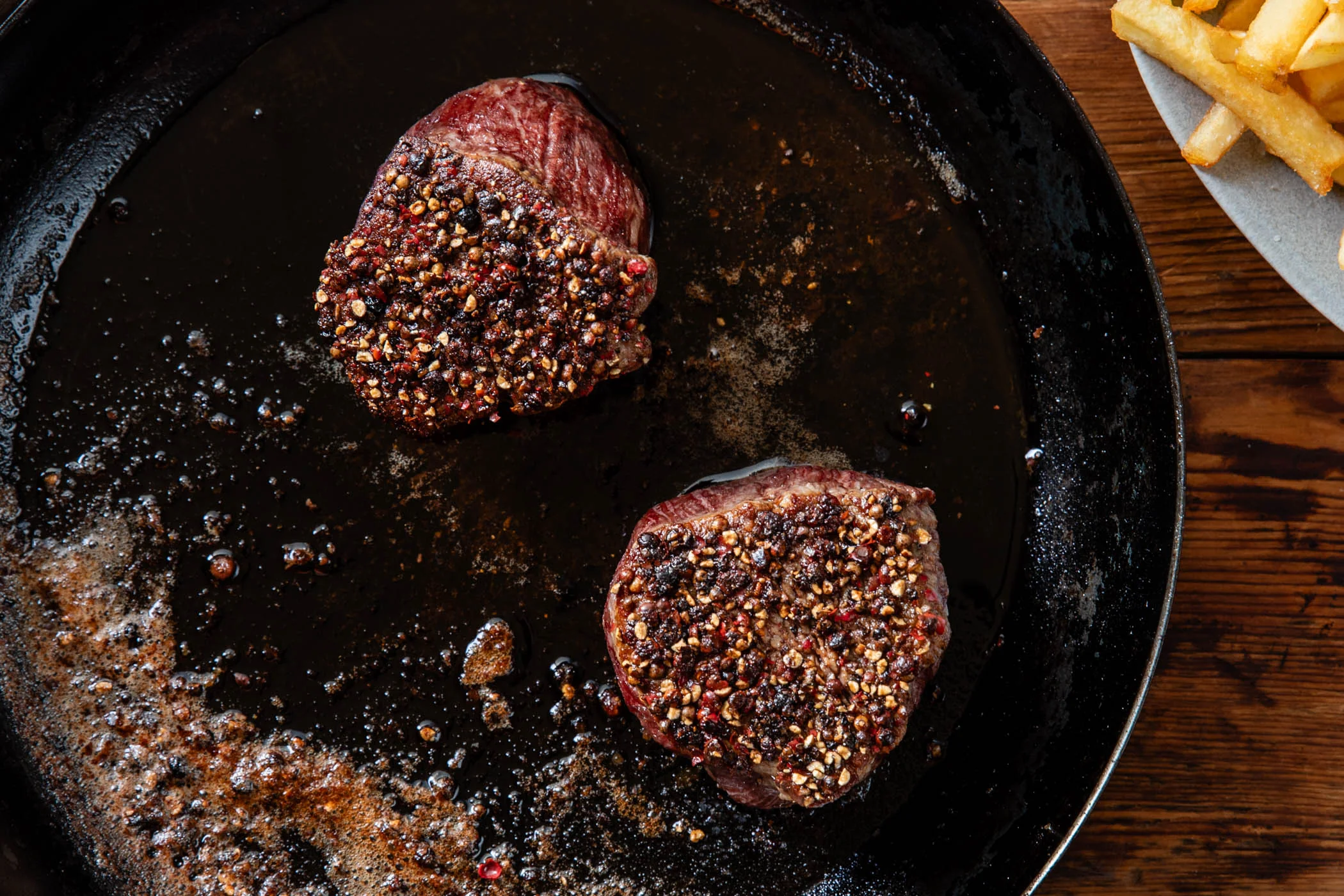
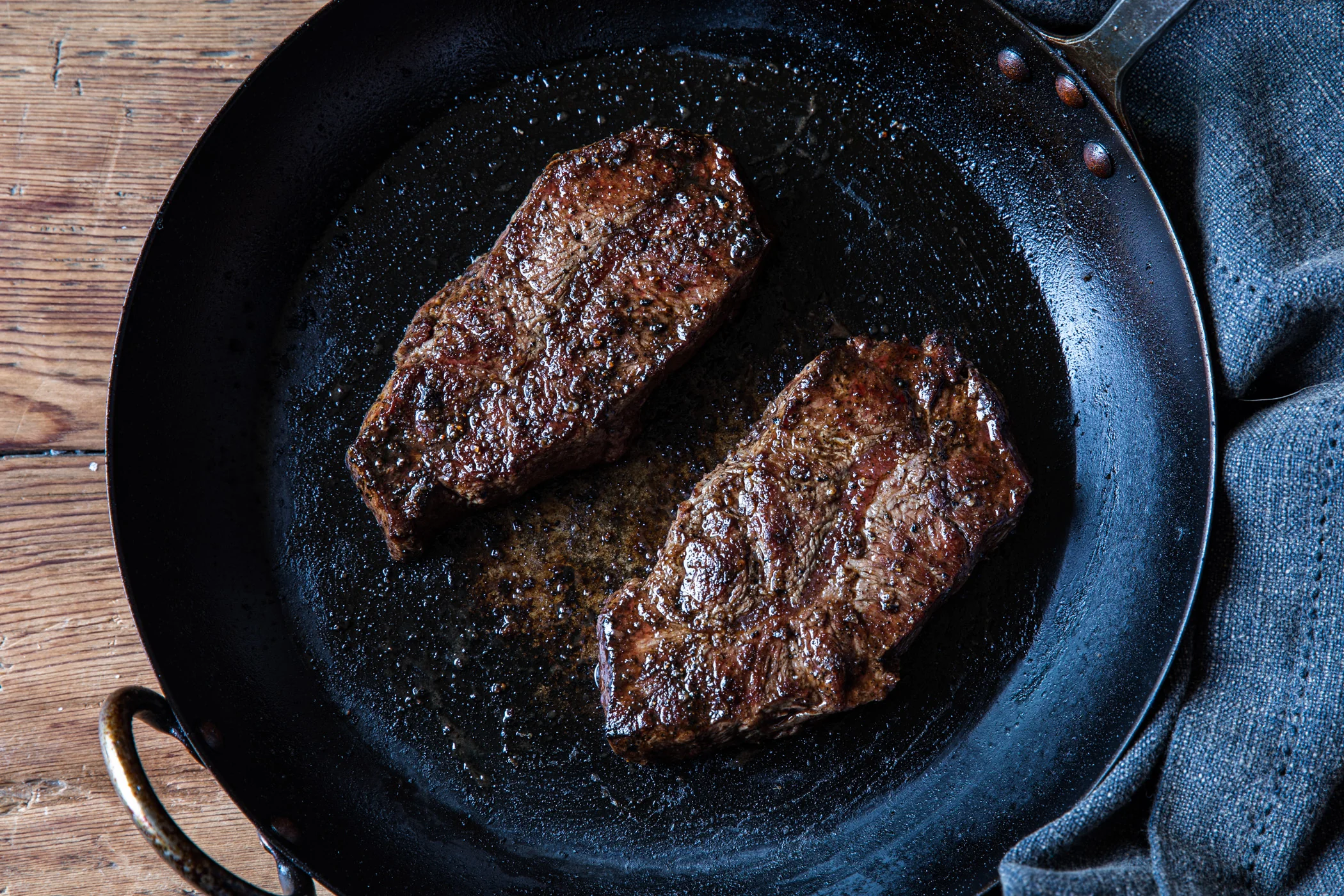
Portion into generous steaks and cook in a hot pan or over charcoal to medium-rare. It has a little more bite than ribeye, but delivers excellent beef flavour and makes for a deeply satisfying steak.
It also works particularly well cooked whole. Slow smoke the muscle at around 100-110°C until the internal temperature reaches roughly 53°C, then rest briefly before cutting into steaks and searing very quickly over intense heat.
This method gives an even cook all the way through and a dark, savoury crust, resulting in a steak that eats beautifully and offers superb value.
For the Smoker or the Casserole Pot
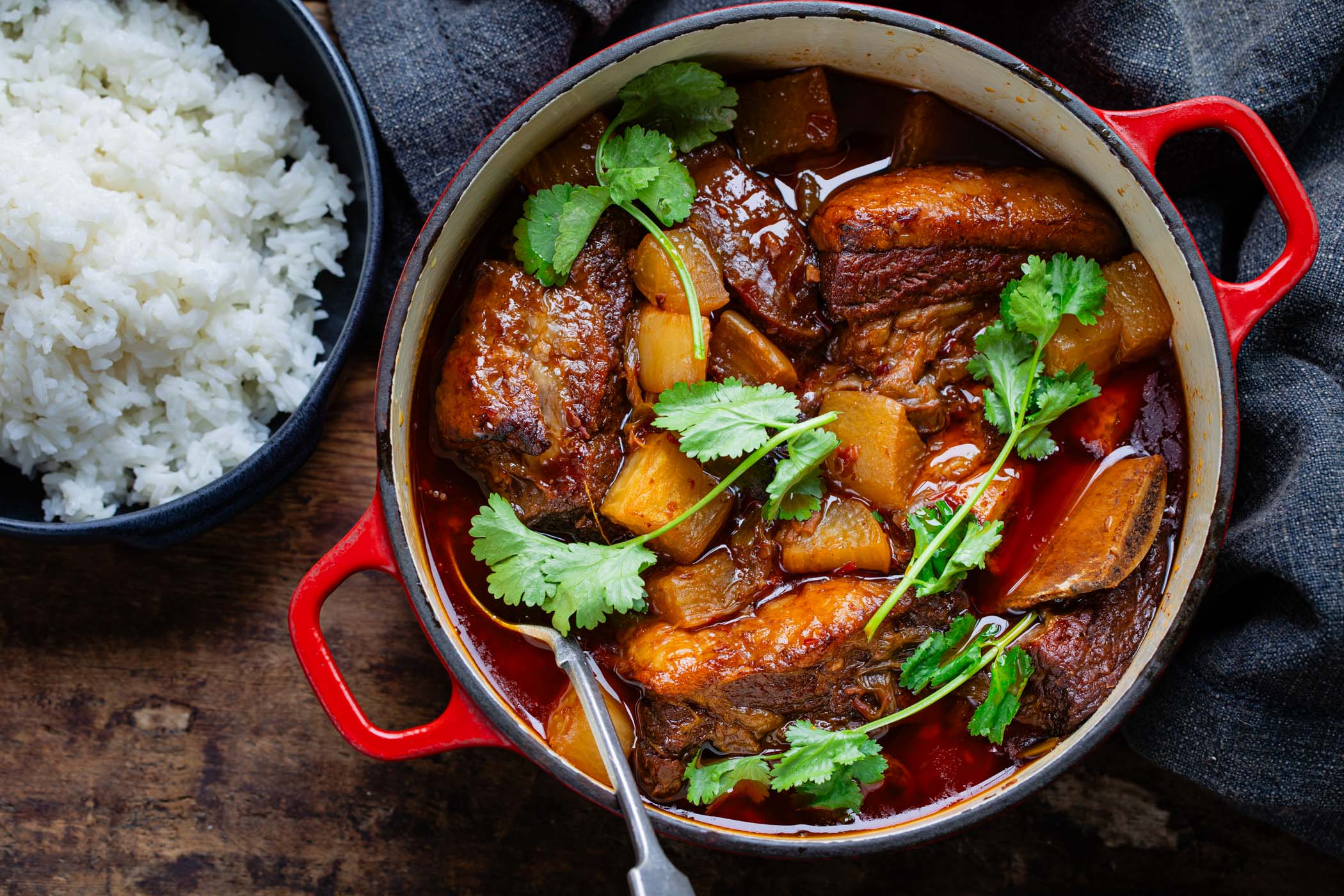
Chuck eye roll also lends itself beautifully to longer, slower cooking methods, allowing the intermuscular fat and connective tissue to gradually break down. These natural fats baste the meat as it cooks, helping it stay moist and full of flavour.
For those looking to cook over wood or charcoal, this joint is a superb choice for slow smoking. While perhaps not strictly traditional in the eyes of American barbecue purists, its marbling and fat content make it an excellent candidate for the smoker. We suggest a rub of salt, black pepper, crushed coriander seeds, a little smoked paprika and a touch of sugar. Cook for 6 to 8 hours at a steady temperature of around 110°C, wrapping in barbecue paper halfway through to help retain moisture and deepen the flavour.
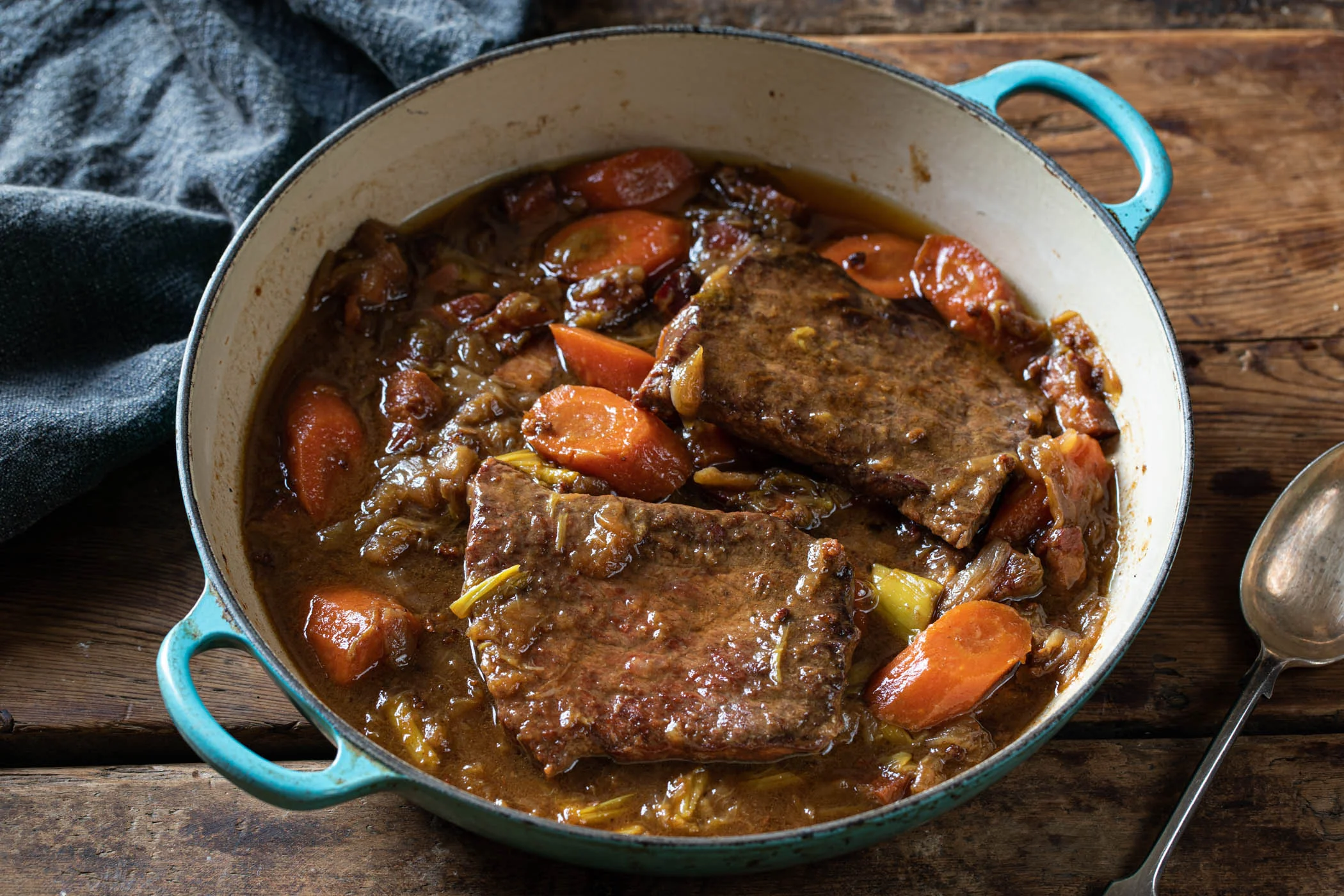
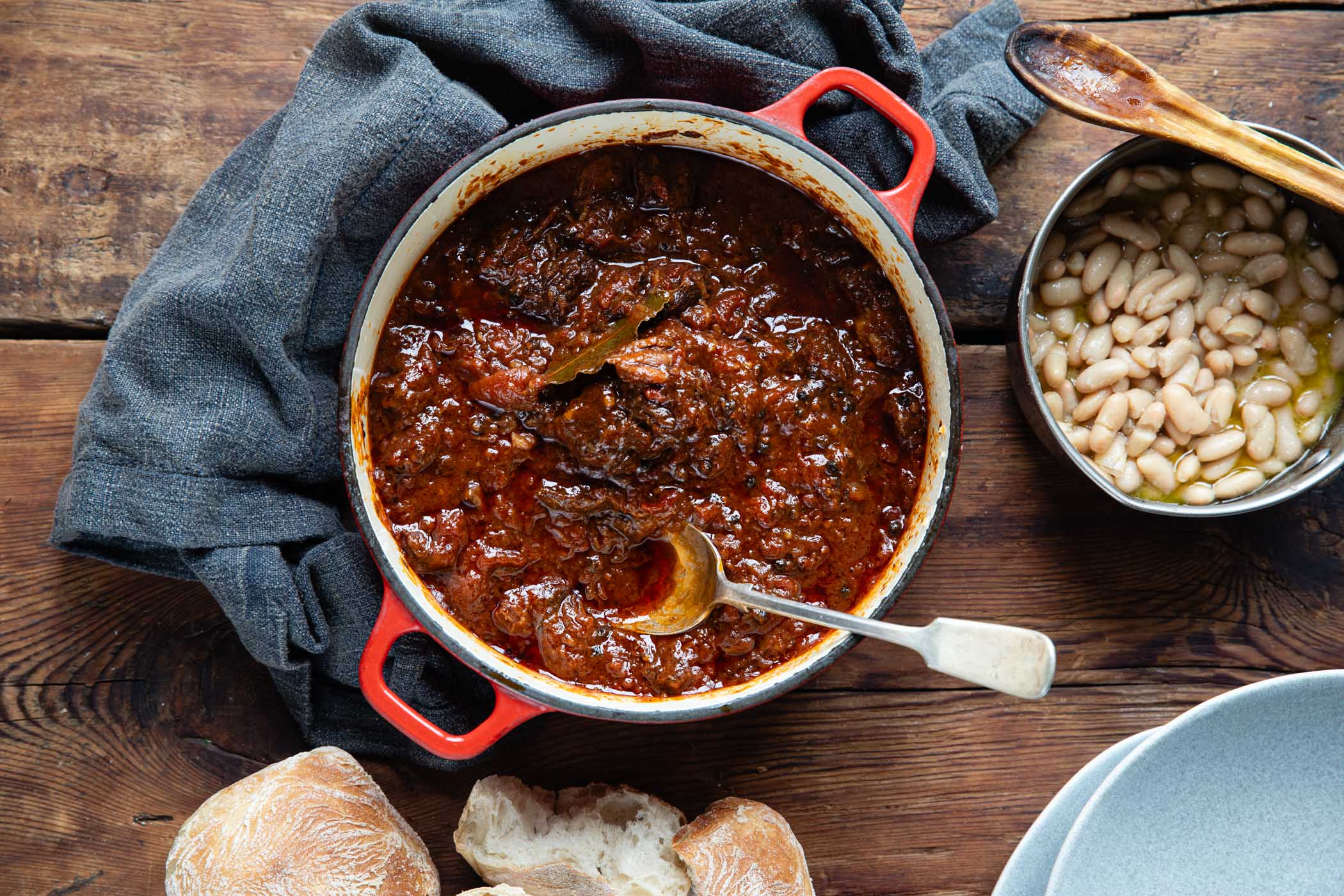
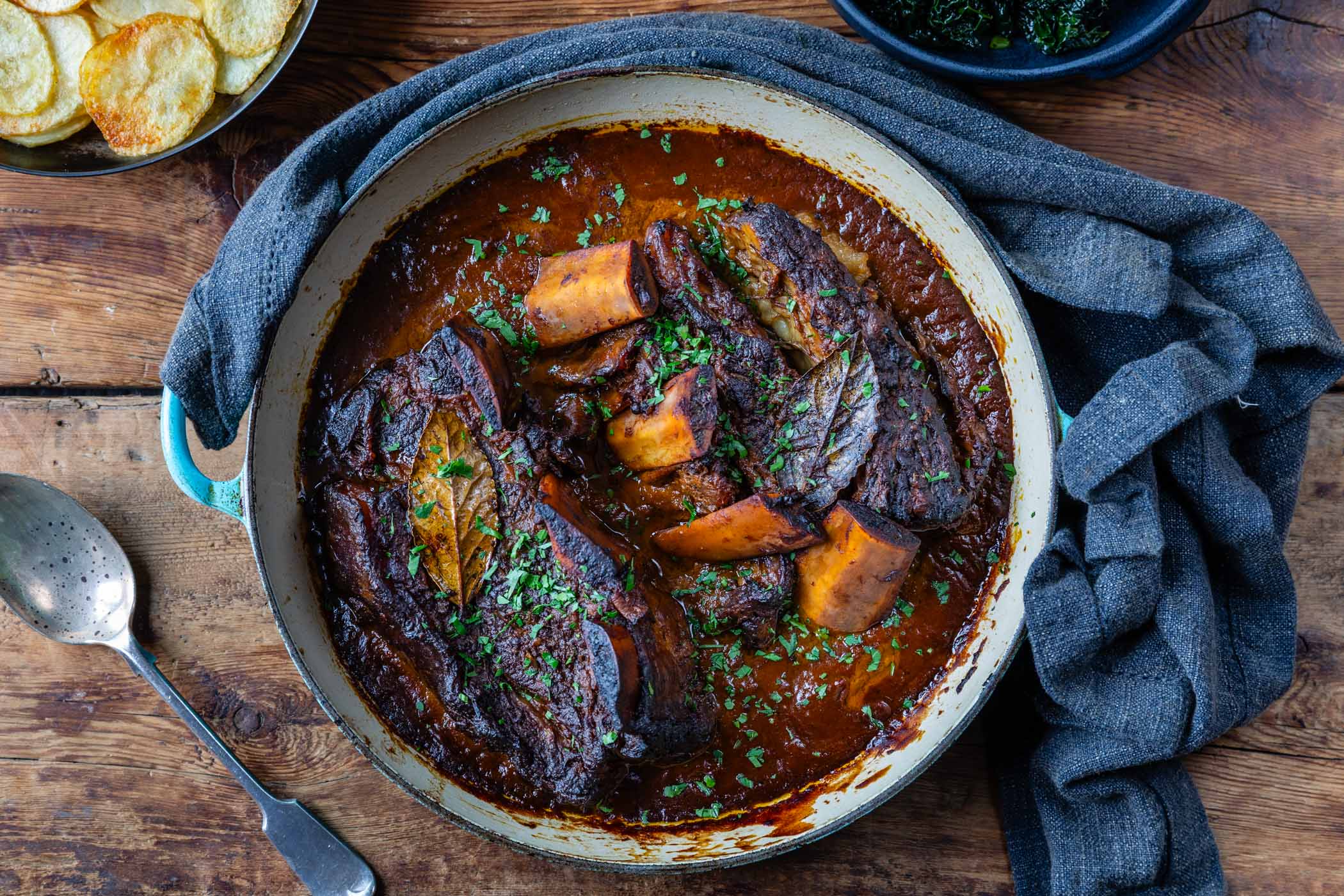
Pot roasting is a somewhat forgotten technique, and chuck eye roll is perfectly suited to it. Season the joint generously with salt a few hours before cooking, then brown it thoroughly on all sides. Sit the meat on a trivet of onions, carrots and celery, then add a generous splash of wine along with good beef bone stock. Cook slowly for several hours until tender and yielding. The cooking liquor can then be reduced into a rich, deeply savoury gravy.
Original: $47.37
-65%$47.37
$16.58Product Information
Product Information
Shipping & Returns
Shipping & Returns
Description
The Butcher’s Hidden Gem: A Marbled Alternative to Ribeye
Cut from the forequarter of the beast, the chuck eye roll is the muscle that follows on from the forerib and tracks into the neck. Similar in character to a pork collar or neck fillet, it is an open-textured cut with abundant natural marbling and intermuscular fat. In the case of our native breed cattle, this internal structure ensures the meat remains unctuous and yields a deep, beefy flavour.
In the grand tradition of 19th-century steakhouses, this prized cut was often served as the celebrated Delmonico steak, chosen for its superior marbling and steak-like character despite its forequarter origin. Sometimes nicknamed the ‘Chuck Norris steak’, it is admired by butchers and chefs alike for its bold flavour and satisfying texture.
Cooking Chuck Eye Roll
Whilst chuck eye roll is often associated with longer, slower cooking, it can also be cut into thick steaks and cooked quickly over high heat.
Portion into generous steaks and cook in a hot pan or over charcoal to medium-rare. It has a little more bite than ribeye, but delivers excellent beef flavour and makes for a deeply satisfying steak.
It also works particularly well cooked whole. Slow smoke the muscle at around 100-110°C until the internal temperature reaches roughly 53°C, then rest briefly before cutting into steaks and searing very quickly over intense heat.
This method gives an even cook all the way through and a dark, savoury crust, resulting in a steak that eats beautifully and offers superb value.
For the Smoker or the Casserole Pot
Chuck eye roll also lends itself beautifully to longer, slower cooking methods, allowing the intermuscular fat and connective tissue to gradually break down. These natural fats baste the meat as it cooks, helping it stay moist and full of flavour.
For those looking to cook over wood or charcoal, this joint is a superb choice for slow smoking. While perhaps not strictly traditional in the eyes of American barbecue purists, its marbling and fat content make it an excellent candidate for the smoker. We suggest a rub of salt, black pepper, crushed coriander seeds, a little smoked paprika and a touch of sugar. Cook for 6 to 8 hours at a steady temperature of around 110°C, wrapping in barbecue paper halfway through to help retain moisture and deepen the flavour.
Pot roasting is a somewhat forgotten technique, and chuck eye roll is perfectly suited to it. Season the joint generously with salt a few hours before cooking, then brown it thoroughly on all sides. Sit the meat on a trivet of onions, carrots and celery, then add a generous splash of wine along with good beef bone stock. Cook slowly for several hours until tender and yielding. The cooking liquor can then be reduced into a rich, deeply savoury gravy.